Overcome Knee Replacement Surgery Fears: 8 Physiotherapy Exercises for a Smooth Recovery
- Jahirul Mazumder
- Dec 1, 2024
- 4 min read

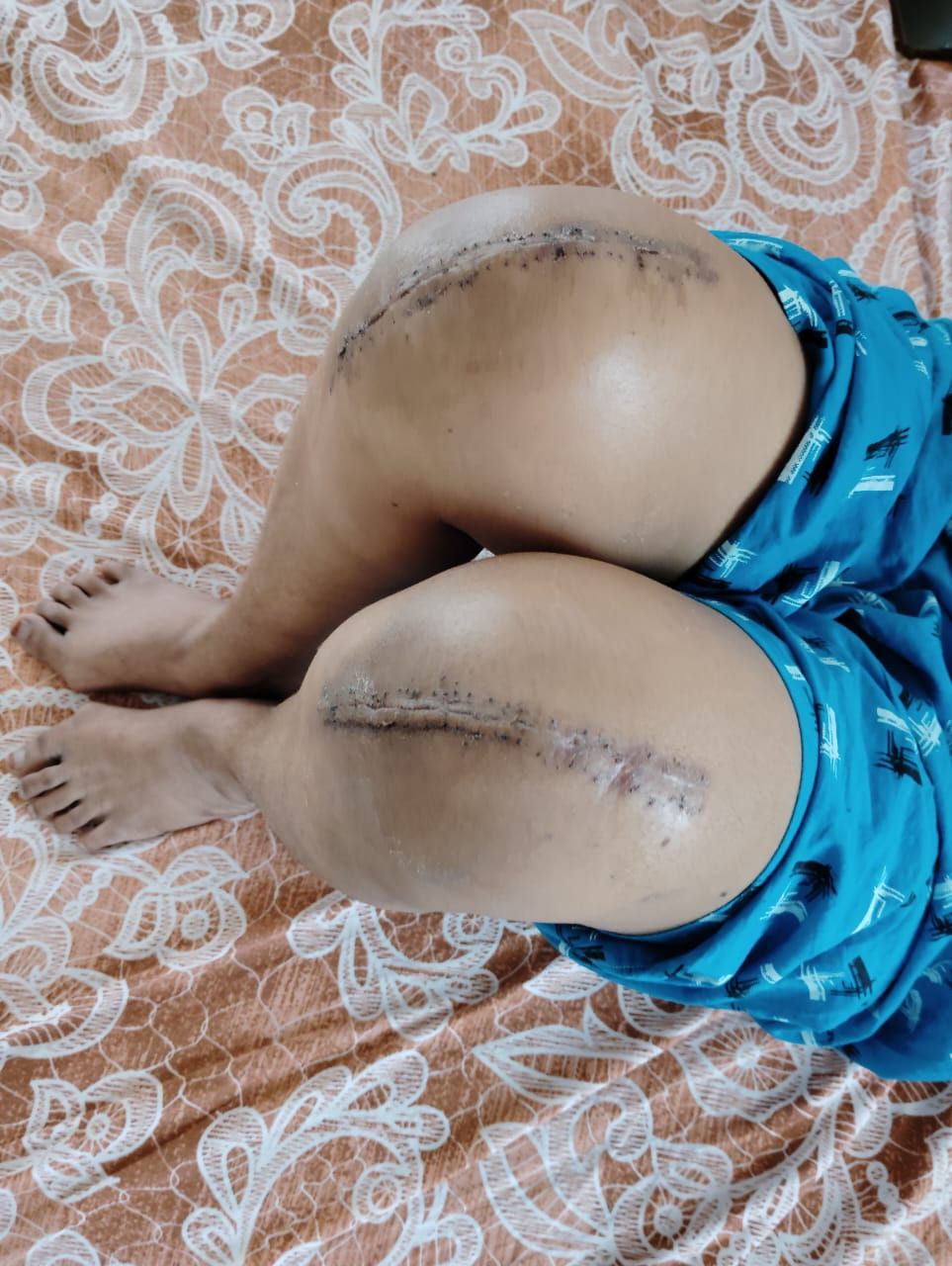
Physiotherapy After Knee Replacement: A Comprehensive Guide
Knee replacement surgery is a major operation that requires careful planning, preparation, and rehabilitation. Physiotherapy plays a crucial role in the recovery process, helping patients to regain strength, mobility, and function in their knee joint. In this article, we will explore the importance of physiotherapy after knee replacement surgery.
Why Knee Replacement?
Physiotherapy after knee replacement.
Knee replacement surgery is typically recommended for patients who have severe knee damage or degeneration, such as osteoarthritis, rheumatoid arthritis, or traumatic injuries. The surgery involves replacing the damaged or arthritic joint surfaces with artificial components made of metal and plastic.
When to Go for Knee Replacement
Physiotherapy after knee replacement
Knee replacement surgery is usually considered when other treatment options, such as physical therapy, medication, and lifestyle modifications, have failed to provide adequate relief from pain and disability. Your doctor may recommend knee replacement surgery if you experience:
- Severe knee pain that interferes with your daily activities
- Significant stiffness or limited mobility in your knee
- Deformity or instability in your knee
- Failure to respond to conservative treatments
How to Avoid Knee Replacement
Physiotherapy after knee replacement
While knee replacement surgery can be an effective solution for severe knee damage, there are steps you can take to avoid or delay the need for surgery. These include:
- Maintaining a healthy weight
- Engaging in regular exercise, such as walking or swimming
- Avoiding high-impact activities that can put stress on the knee joint
- Using proper lifting techniques to avoid straining the knee
- Managing underlying medical conditions, such as diabetes or rheumatoid arthritis
Pre-Rehab Physiotherapy
Before undergoing knee replacement surgery, it's essential to prepare your body for the operation and the subsequent rehabilitation process. Pre-rehab physiotherapy can help you:
- Strengthen your muscles, particularly in the quadriceps and hamstrings
- Improve your range of motion and flexibility
- Enhance your balance and coordination
- Reduce your risk of complications during and after surgery
Best 7 Exercises Before Knee Replacement
Here are seven exercises you can do before knee replacement surgery to prepare your body for the operation:
1. Straight leg raise
2. Quadriceps strengthening exercises
3. Hamstring strengthening exercises
4. Calf strengthening exercises
5. Balance exercises
6. Step-ups
7. Leg press
Post Knee Replacement: What to Do and What Not to Do
After knee replacement surgery, it's essential to follow a rehabilitation program to ensure a smooth and successful recovery. Here are some things to do and not to do:
- Do:
- Follow your rehabilitation program as directed by your physiotherapist
- Take pain medication as directed by your doctor
- Use ice and compression to reduce swelling and pain
- Don't:
- Put too much weight on your knee too soon
- Bend or twist your knee excessively
- Ignore your rehabilitation program or skip appointments
Physiotherapy after Knee Replacement Rehabilitation Protocol
A typical rehabilitation protocol after knee replacement surgery includes:
1. Immediate post-operative phase (0-2 weeks): Focus on pain management, swelling reduction, and gentle exercises to promote healing.
2. Early rehabilitation phase (2-6 weeks): Progress to more advanced exercises to strengthen muscles, improve range of motion, and enhance balance and coordination.
3. Late rehabilitation phase (6-12 weeks): Focus on functional exercises to improve mobility, strength, and endurance.
4. Maintenance phase (after 12 weeks): Continue to exercise and stretch to maintain strength, flexibility, and range of motion.
Things to Avoid After Knee Replacement
Physiotherapy after knee replacement
After knee replacement surgery, it's essential to avoid certain activities and behaviors that can compromise your recovery. These include:
- Putting too much weight on your knee too soon
- Bending or twisting your knee excessively
- Ignoring your rehabilitation program or skipping appointments
- Smoking or using tobacco products
- Drinking excessive amounts of alcohol
Why Pro Physiotherapy is the Best Choice For Physiotherapy After Knee Replacement
At Pro Physiotherapy, our experienced and skilled physiotherapists are dedicated to helping you achieve a successful recovery after knee replacement surgery. We offer:
- Personalized rehabilitation programs tailored to your specific needs and goals
- State-of-the-art equipment and facilities to support your recovery
- Ongoing support and guidance to ensure you achieve optimal outcomes
Factors Affecting the Knee Joint
Several factors can affect the knee joint, including:
- Age: Wear and tear on the joint can occur over time
- Weight: Excess weight can put additional stress on the joint
- Activity level: High-impact activities can put stress on the joint
- Genetics: Some people may be more prone to knee problems due to their genetic makeup
Main Reasons People Go for Knee Replacement
Physiotherapy after knee replacement
The main reasons people go for knee replacement surgery include:
- Severe osteoarthritis or rheumatoid arthritis
- Traumatic injuries, such as fractures or ligament tears.
- Chronic pain and disability that interferes with daily activities
- Deformity or instability in the knee joint
The best hospital for knee replacement surgery will depend on your individual needs and preferences. Some factors to consider when choosing a hospital include:
- Experience and qualifications of the surgeons and medical staff
- Quality of care and patient outcomes
- Availability of advanced technology and equipment
- Insurance coverage and cost
The best physiotherapy clinics after knee replacement surgery will depend on your individual needs and preferences. Some factors to consider when choosing a physiotherapy clinic include:
- Experience and qualifications of the physiotherapists
- Range of services and treatments offered
- Availability and flexibility of appointment scheduling
- Reviews and recommendations from previous patients
Conclusion
Knee replacement surgery can be a highly effective solution for severe knee damage or degeneration. However, it's essential to follow a rehabilitation program to ensure a smooth and successful recovery. Physiotherapy plays a crucial role in this process, helping patients to regain strength, mobility, and function in their knee joint. By choosing the right physiotherapy clinic for physiotherapy after knee replacement and following a personalized rehabilitation program, you can achieve optimal outcomes and enjoy a better quality of life.
"Learn how physiotherapy after knee replacement can help you recover faster. Discover the best exercises, rehabilitation protocols, and physiotherapy clinics to ensure a successful recovery.


Comments